Welcome to Northampton Community College Emergency Services Department
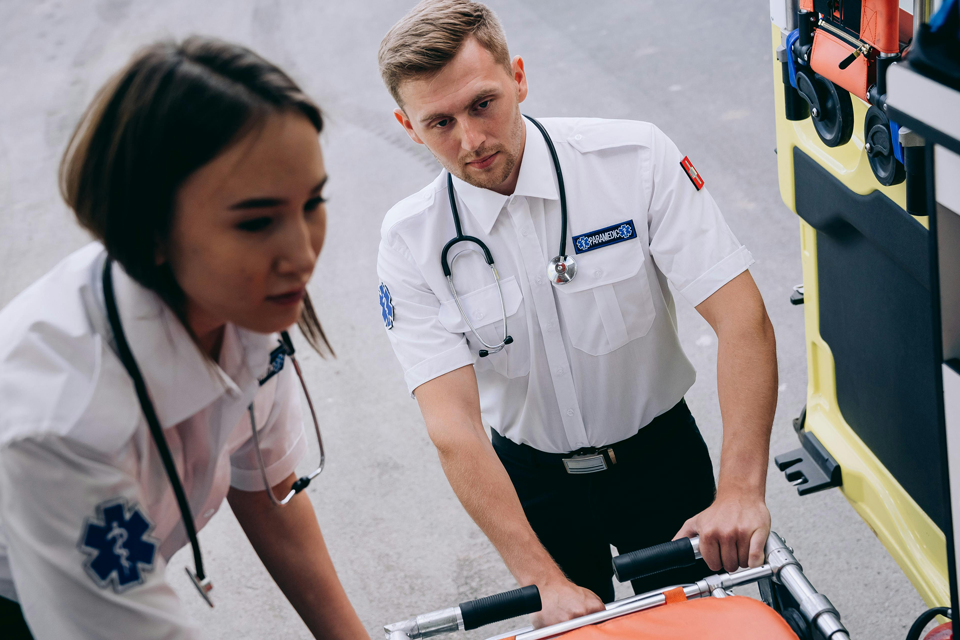
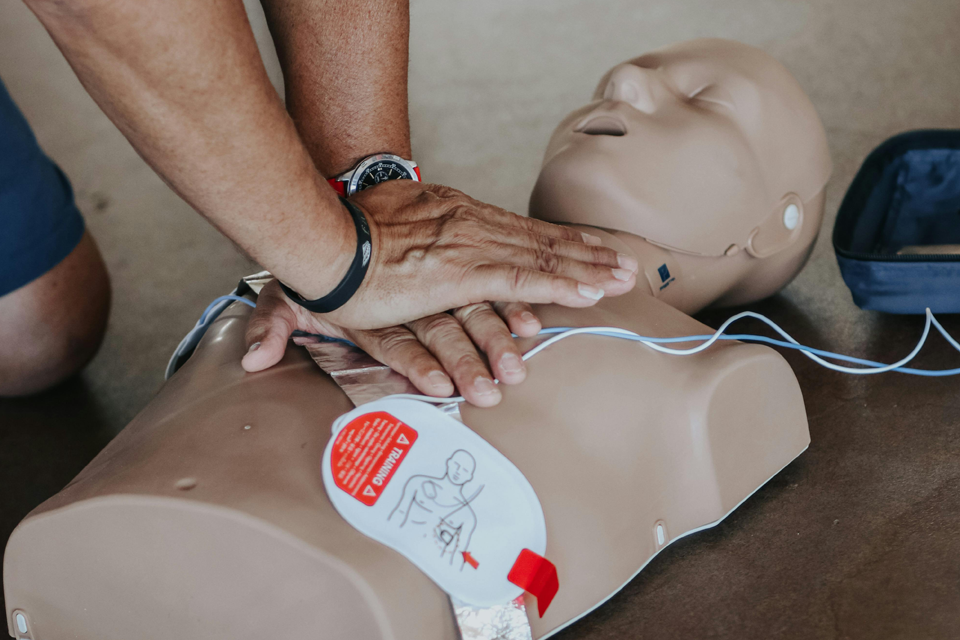
At NCC's Emergency Services Department, we offer a wide range of fire, rescue, EMT, CPR/First Aid, and hazmat courses to equip individuals with the necessary skills and knowledge to save lives and protect communities.
Our courses are designed by industry experts and focus on hands-on training to ensure that you are prepared for any emergency situation. Explore our shop now to take your skills to the next level.
To receive industry-specific updates and event information from NCC, join our email list.
Achieve Your Goals
Many students aim to enhance their skills, gain certifications, or advance their careers in fire, rescue, and hazmat fields. Our courses are designed to help you meet these goals with comprehensive training and real-world application.
Real-Life Impact
Our training has empowered countless individuals to act decisively in critical situations. Hear stories of how our graduates have used their skills to save lives and protect communities, showcasing the tangible difference our courses make.
Ongoing Support
We provide continuous support throughout your learning journey and beyond. From expert instructors to comprehensive resources, we're committed to helping you succeed long after you complete your course at Northampton Community College Fire/Rescue Department.
Upcoming Courses
A physically demanding, comprehensive program dealing with the necessary knowledge and skills related to rescue procedures needed for self-rescue. Emphasis will be placed on search techniques, communications, accountability/location and self-rescue procedures. Students must be in adequate physical condition to perform 100% of all practical exercises.
Prerequisites: Interior Fire Fighter or Essential Basic Module IV or Fire Fighter 1; Recommended RITC, SFR, ICS: Student must be physically able to crawl, climb and descend ladders, slide on rope, and SUPPORT OWN BODY WEIGHT WHILE HANGING BY ARMS. PA State Fire Academy facial hair policy applies.
November 21 and 22 | 8:00am - 4:00pm
Location: Nancy Run VFC
The role of the emergency vehicle driver carries great responsibility. The penalty for not adequate training of an emergency vehicle driver also carries legal consequences for the emergency service organization and its personnel. Emergency vehicle drivers have been held both criminally and civilly responsible for their actions. VFIS developed this program to teach emergency vehicle drivers proper driving techniques that include mental as well as the physical aspects of the driving task. The program stresses the long-term impact of a collision involving an emergency vehicle on the emergency vehicle driver, the emergency service organization and the community.
Prerequisites: Minimum age of 18 by first day of class and a valid driver license.
December 5 and 6 | 8:00am - 4:00pm
Location: Nancy Run VFC